Our History
Higher Ground began not as an organization, but as a response to what Jansen and Barbie were witnessing in their own home and community. These were patterns of academic struggle, emotional overwhelm, and quiet hopelessness among children growing up in difficult circumstances.
This is the story of how one family’s response grew into a movement to empower one life at a time to reach, transform, and elevate their community.
From one family to communities across Southern Arizona
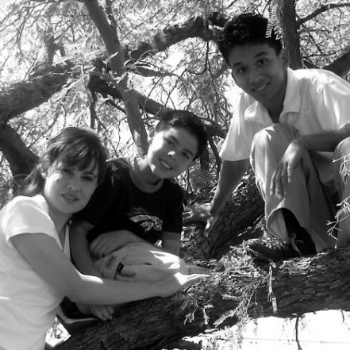
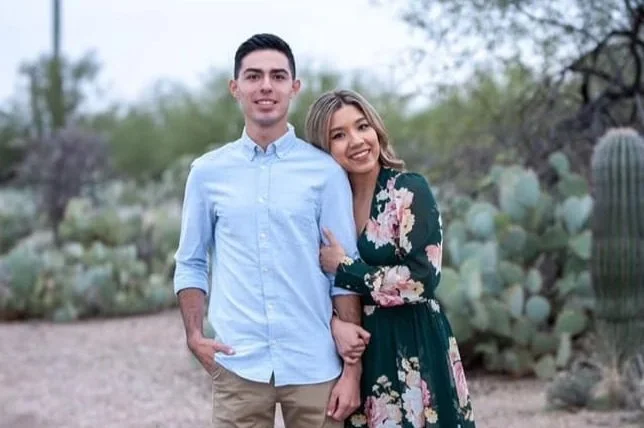
The concept of Higher Ground started in Jansen's living room, shortly after he met his wife, Barbie, and her 10-year-old son, Timmy.
At the time, Timmy was struggling in school, so Jansen started tutoring him in his most challenging subjects. Not long after, Timmy’s friends started joining because almost all of them were failing or behind in school, particularly in reading and math.
Aside from struggling in school, they all had one other thing in common.
They all had stories of adversity: divorced parents, single moms, incarcerated family members, family members involved in gangs, drug or alcohol abuse in their household, daily struggles associated with poverty, and abusive home lives, to name only a few. This was something Jansen was familiar with growing up in an abusive home around poverty himself.
At only 10 years old, they all found themselves feeling defeated in life. They saw no potential in themselves, no worthwhile future, nothing for them to fight for. Because of this mindset and their adverse life experiences, academic success was even more challenging for them.
Eventually, Jansen and Barbie married, and Timothy became his son. The pair welcomed another son, Kenji. Around that time, they decided to take action toward empowering youth.
Our Story

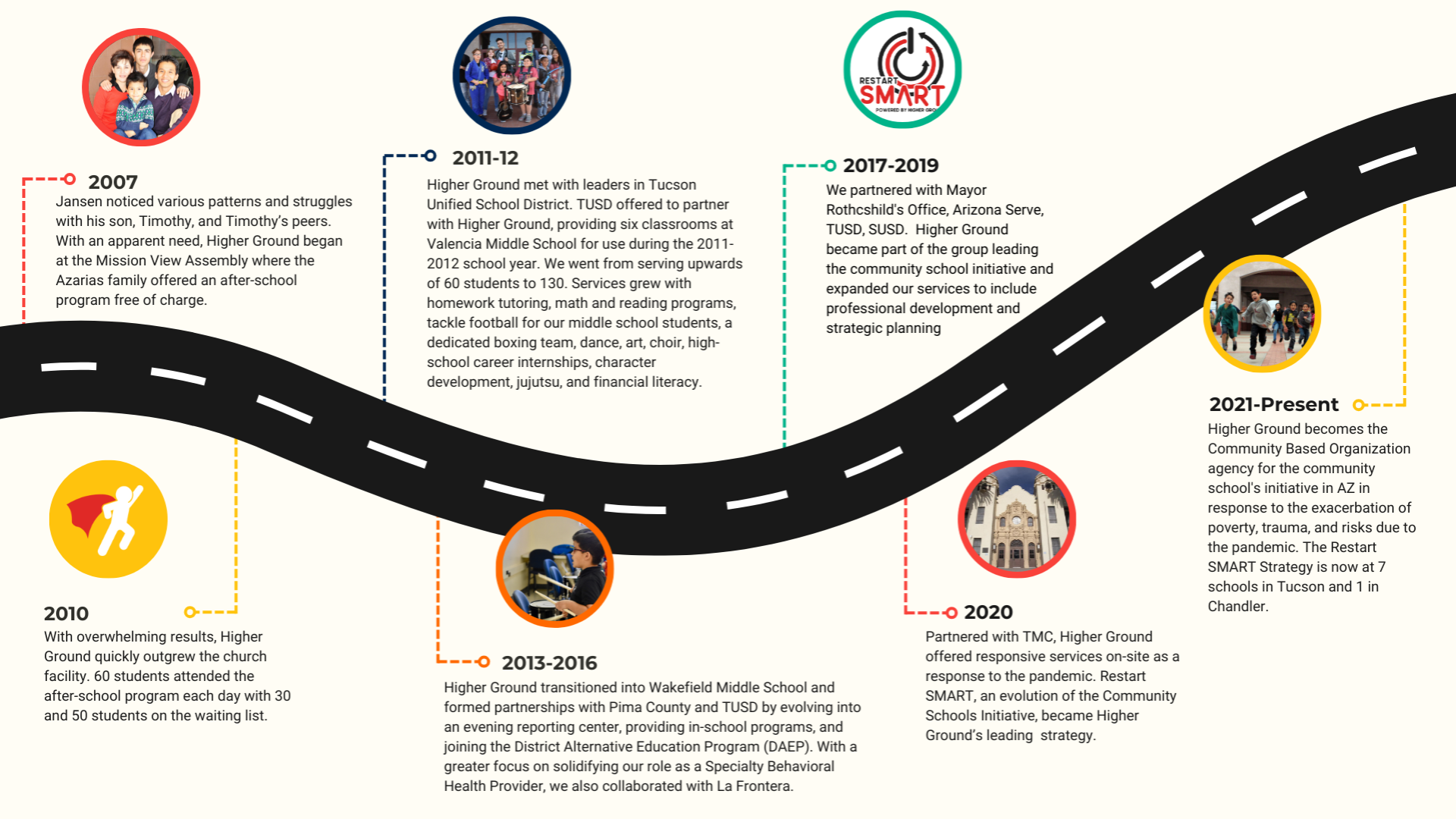
In 2007, Higher Ground began, housed at the Mission View Assembly, where the Azarias family offered their services, free of charge because the community was unable to afford even a small service fee. The results were overwhelming.
Within two years, the Higher Ground outgrew the church facility, serving an average of 60 students daily, with 30–50 more on a waiting list—without any advertising.
As demand grew, Higher Ground approached Pima County Parks and Recreation in 2010 to propose a youth center at a local park. This step led to incorporation as a 501(c)(3) organization and partnerships with community leaders across Tucson.
During this period, Jansen and Barbie left their full-time jobs and served as volunteer directors for three years, building the organization from the ground up.
In partnership with Tucson Unified School District, Higher Ground was offered six classrooms at Valencia Middle School during the 2011–2012 school year. Enrollment grew rapidly, from 60 to 130 students, with additional waiting lists. Services expanded to include tutoring, literacy and math support, sports, boxing, dance, art, choir, internships, character development, martial arts, and financial literacy.
Eventually, Higher Ground relocated to the historic Wakefield Middle School campus, allowing for deeper community engagement during a period of school closures and neighborhood transition.

From Programs to Systems
As the work expanded, a deeper pattern became clear.
Academic challenges were rarely the root issue. The consistent barrier across students, families, and even educators was executive function—the brain-based skills that govern focus, emotional regulation, working memory, and adaptive problem-solving.
Over time, Higher Ground shifted from offering disconnected programs to building a coherent system—what is now known as the Restart SMART strategy. This approach integrates executive function development, family wellness, and community conditions to support sustainable change.
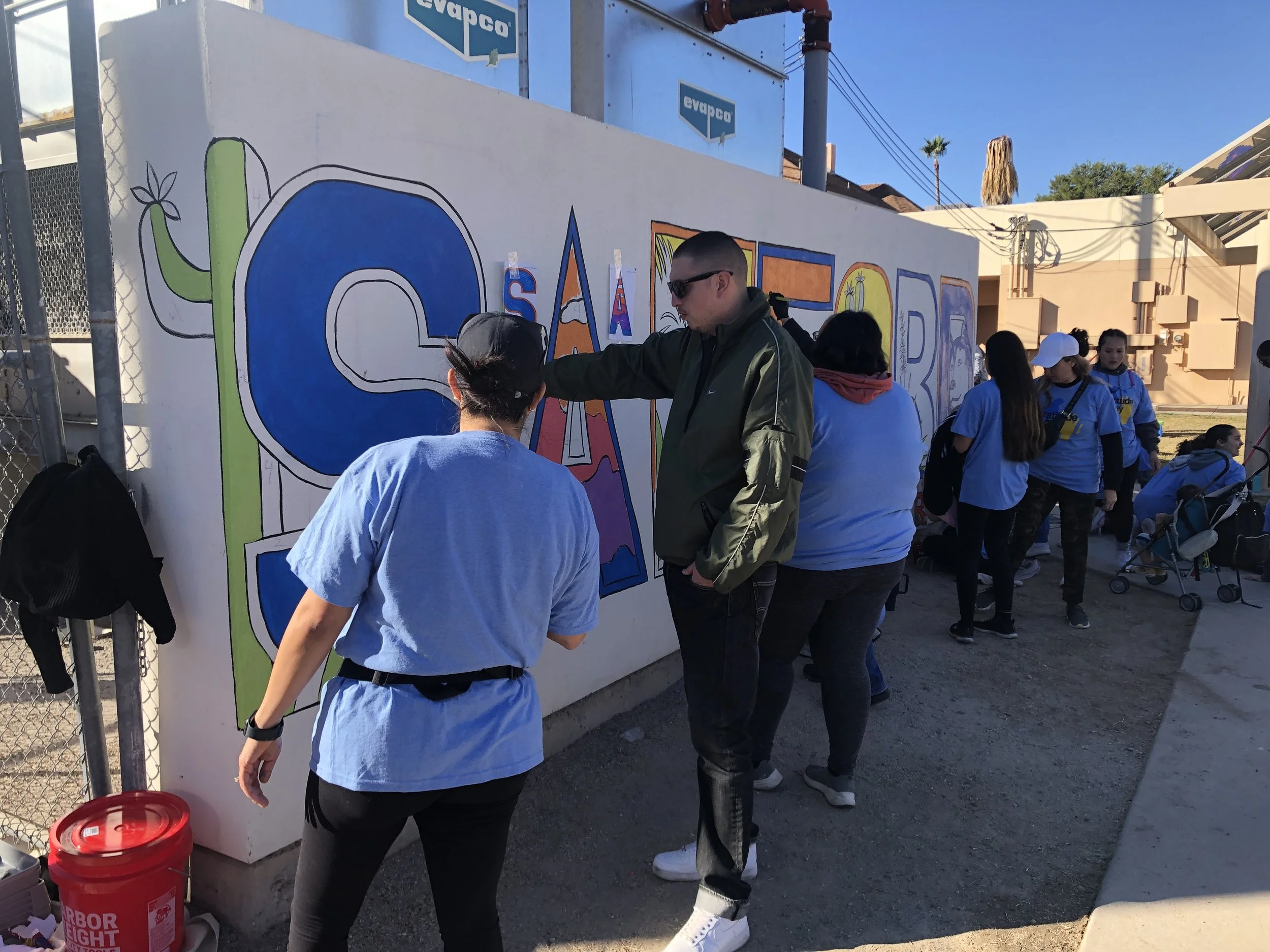
By 2024, Higher Ground teams were embedded in eight schools across two counties, serving more than 3,000 youth, thousands of families, and hundreds of educators through a community school model grounded in daily practice, not theory.
A Necessary Reset
After nearly two decades of steady growth, Higher Ground encountered a funding disruption that significantly reduced our operating capacity. The circumstances were outside the organization’s control and required immediate, difficult decisions.
Rather than attempting to replace lost funding by expanding faster or altering our mission, Higher Ground chose to stabilize, protect its core work, and reassess how the organization sustains impact over time.
This moment marked a reset, not away from our purpose, but toward greater clarity about what must remain central and what can responsibly be scaled.
Where We Are Now
Higher Ground continues its work where it has always mattered most—on the ground, in relationship, and alongside students, families, and educators.
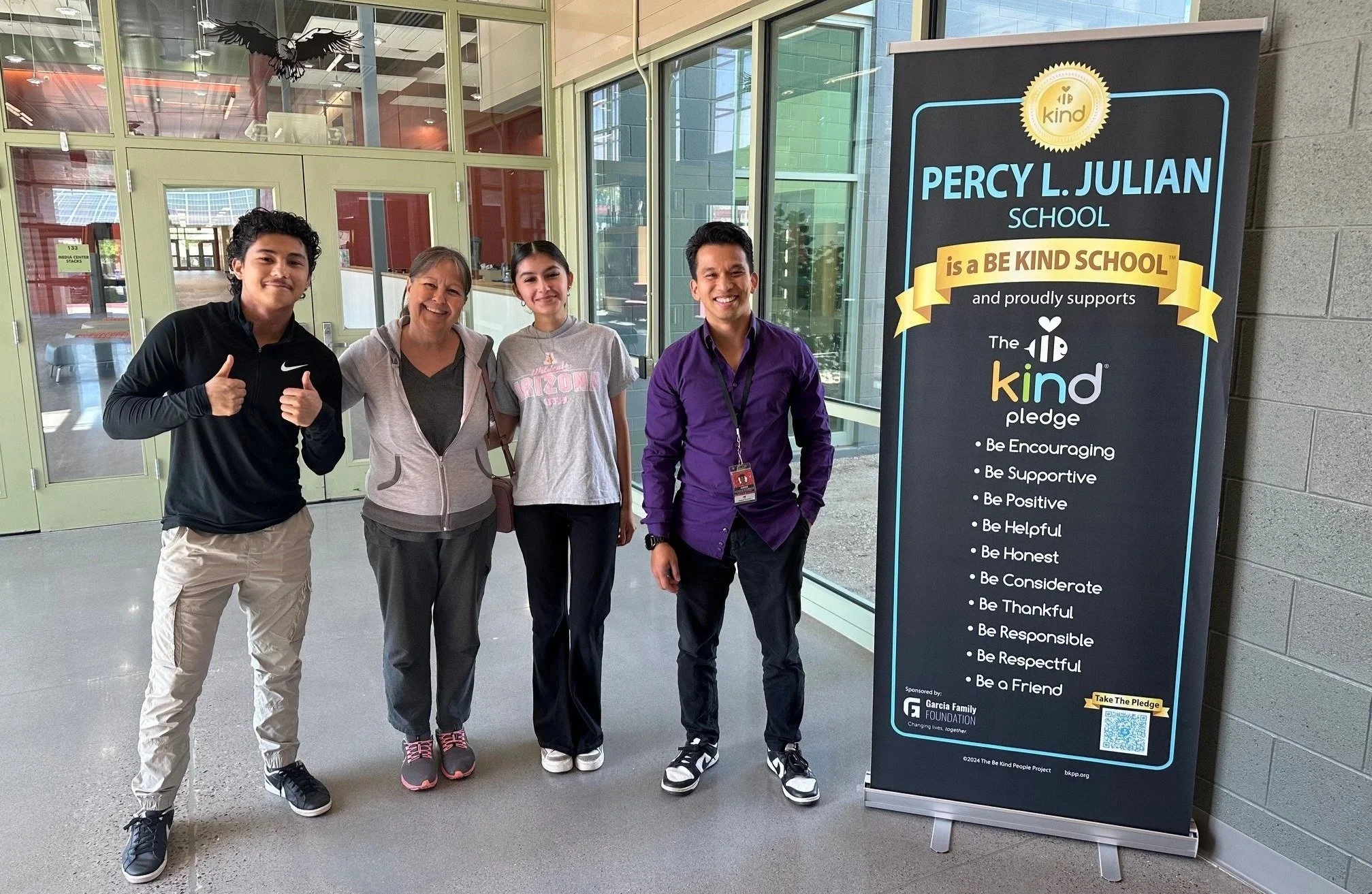
We remain embedded at Percy L. Julian School in South Phoenix, serving as a fully integrated Restart SMART community school site as part of the broader Future Framework initiative. Our team continues to support students through daily presence, care coordination, and executive-function-centered practices that strengthen focus, emotional regulation, and resilience. Utterback Middle School in Tucson remains an active Restart SMART site at a smaller operational footprint and we continue to support several schools in Tucson.
We also continue to operate Judo in Schools in Tucson, using martial arts as a disciplined, relational environment where students develop self-control, confidence, and perseverance, skills that translate directly into classrooms and daily life.
At the same time, this reset clarified something essential: much of what makes Higher Ground effective had lived only in practice.
To ensure the work can endure and travel, Higher Ground is now expanding its focus beyond direct service alone. We are translating nearly two decades of field experience into training, consulting, and learning communities that help schools, organizations, and leaders implement executive-function-centered approaches with integrity and realism.
We are carrying forward the momentum already built, because this work has always moved through people, not programs.
A Living Example
According to research, a youth with Timothy's risk factors – divorced family, low-income neighborhood, high-crime neighborhood, and low-performing schools – is eight times or more likely to drop out of school than a youth without those risk factors.
Timothy spent five years at Higher Ground. He not only graduated from Cholla High School, but he also graduated from college at the Christ For the Nations Institute. He returned to Higher Ground to work as a Child and Family advocate, building relationships that help to reach, transform, and elevate lives. He now serves our country as a drill instructor in the United States Marine Corps. Timothy’s story of success and community contribution is not unique among our youth alumni.
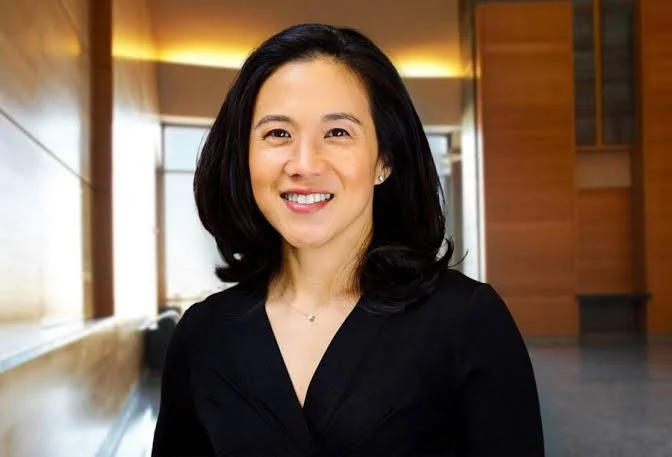
“Jansen Azarias is a paragon of grit. He is everything I study — laser-focused on his goal of making kids’ lives better and, at the same time, incredibly hard-working and resilient in making that goal a reality. I’m honored to know him.”
— Dr. Angela Duckworth, Character Lab
Your Donation Helps Us Empower Arizona.
Every contribution, no matter the size, plays a vital role in advancing our mission. Donations made to Higher Ground are used where the need is greatest. Your support allows us to further our mission of empowering one life at a time to reach, transform, and elevate the community through love and character-building.